About Duo Security
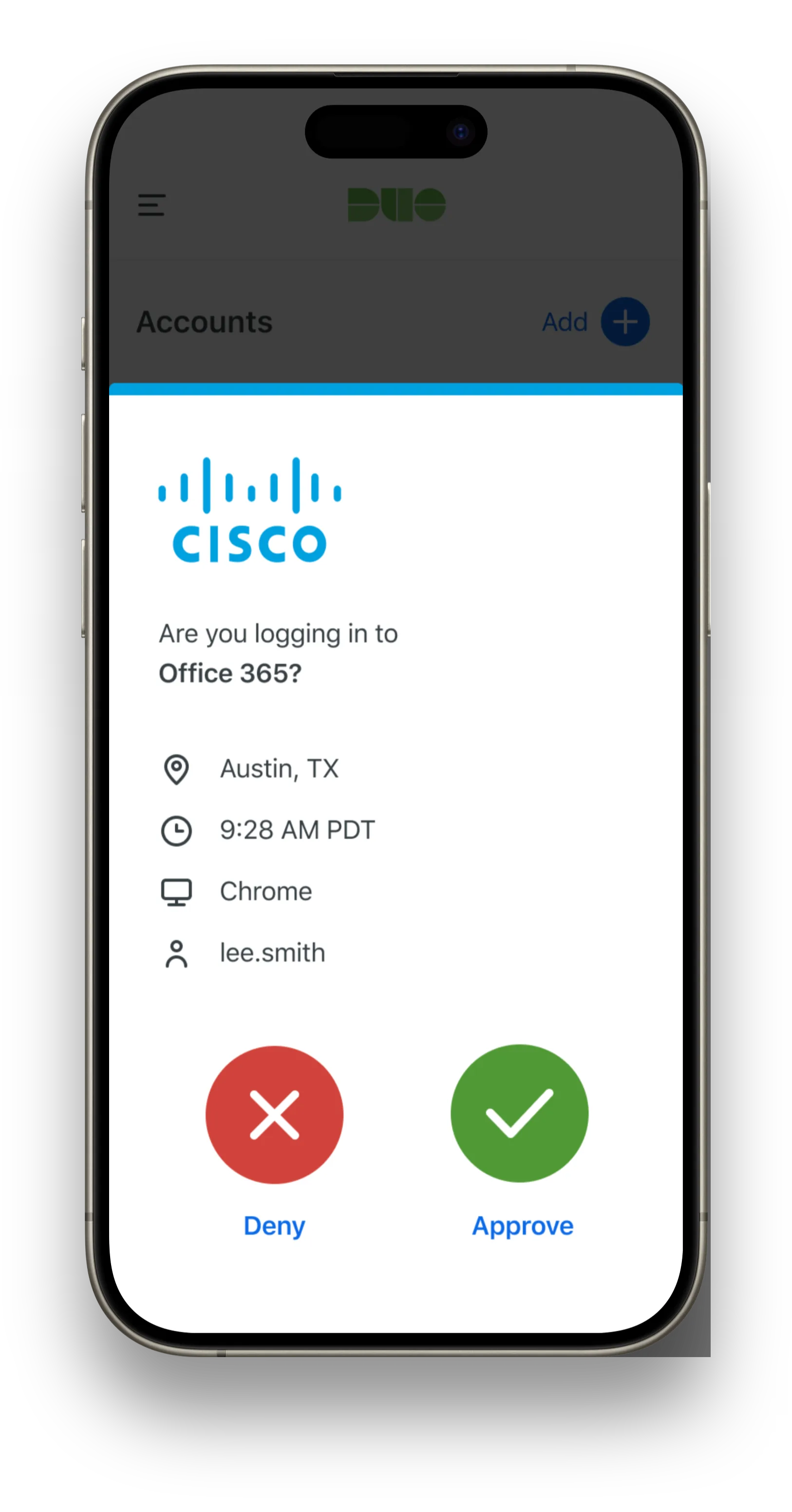
Duo Security is an access security company that helps businesses make sure only the right people, not hackers, can log into their apps and systems, through things like two factor login checks and device trust checks.
Letting the data lead
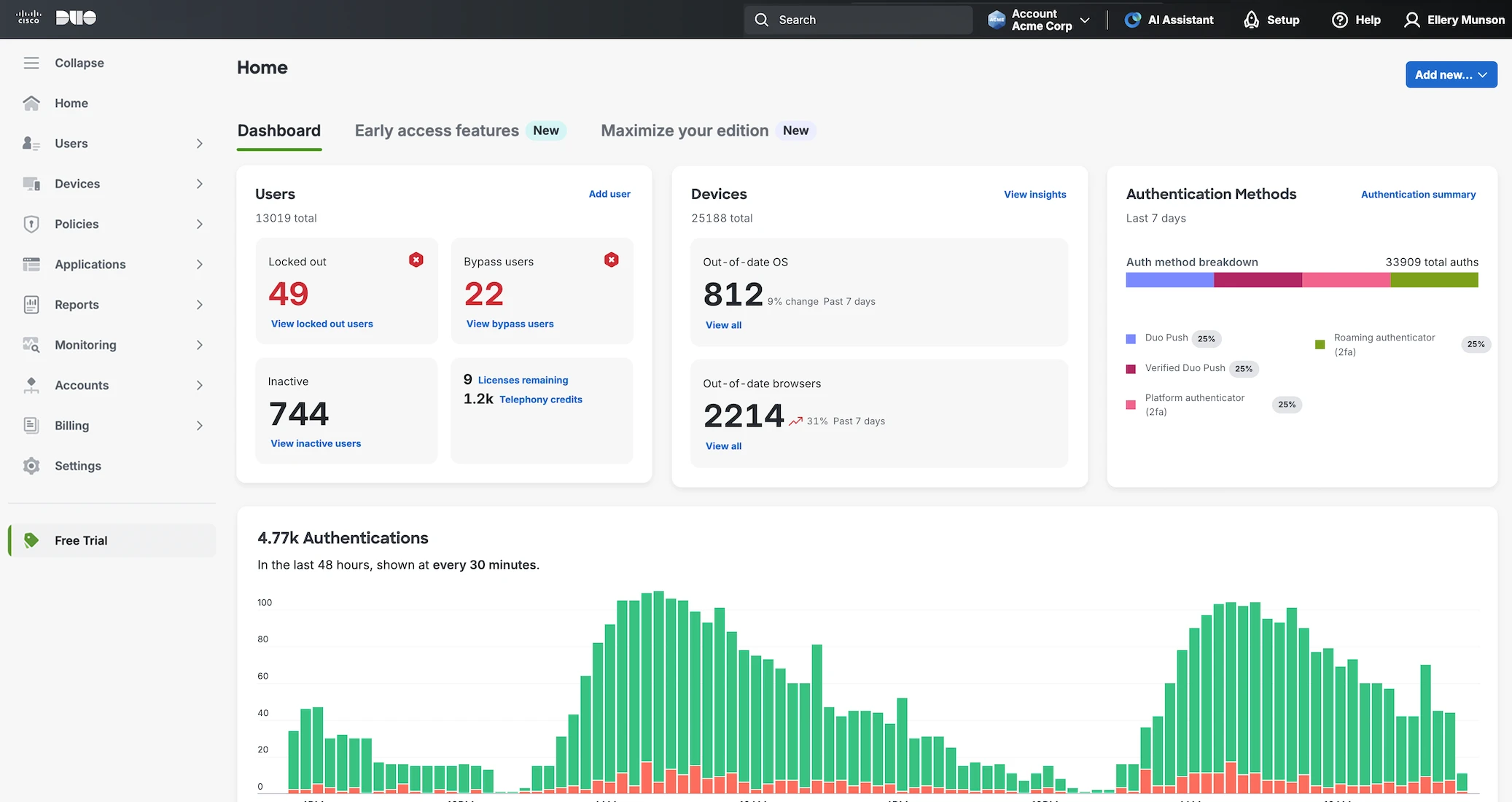
We used the Amplitude MCP to surface behavioral patterns in the data, then validated the finding by hand.
Design experiments
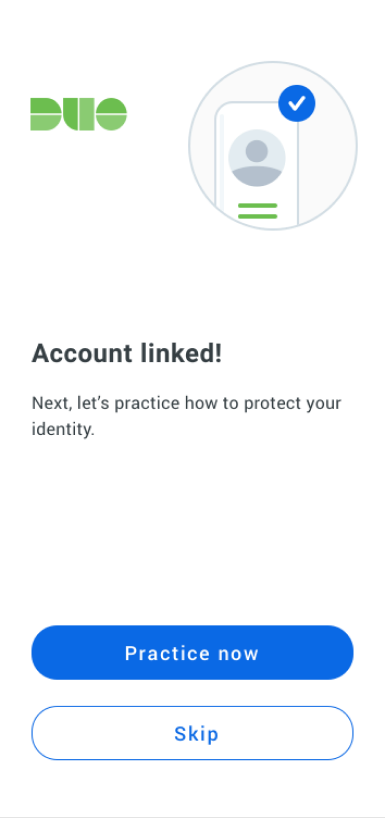
Engineering helped set up Xcode and gave me access to the app's repositories, so I could prompt Claude to design and iterate directly in code, moving faster between ideas and working screens.
Friction points
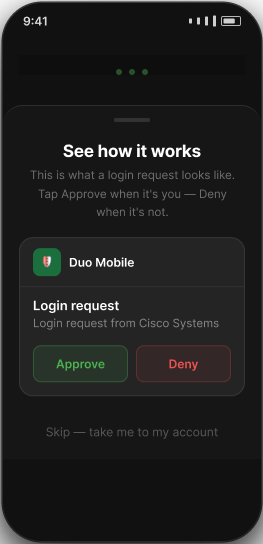
A full screen-by-screen audit of the onboarding flow, checking each step for purpose and necessity.
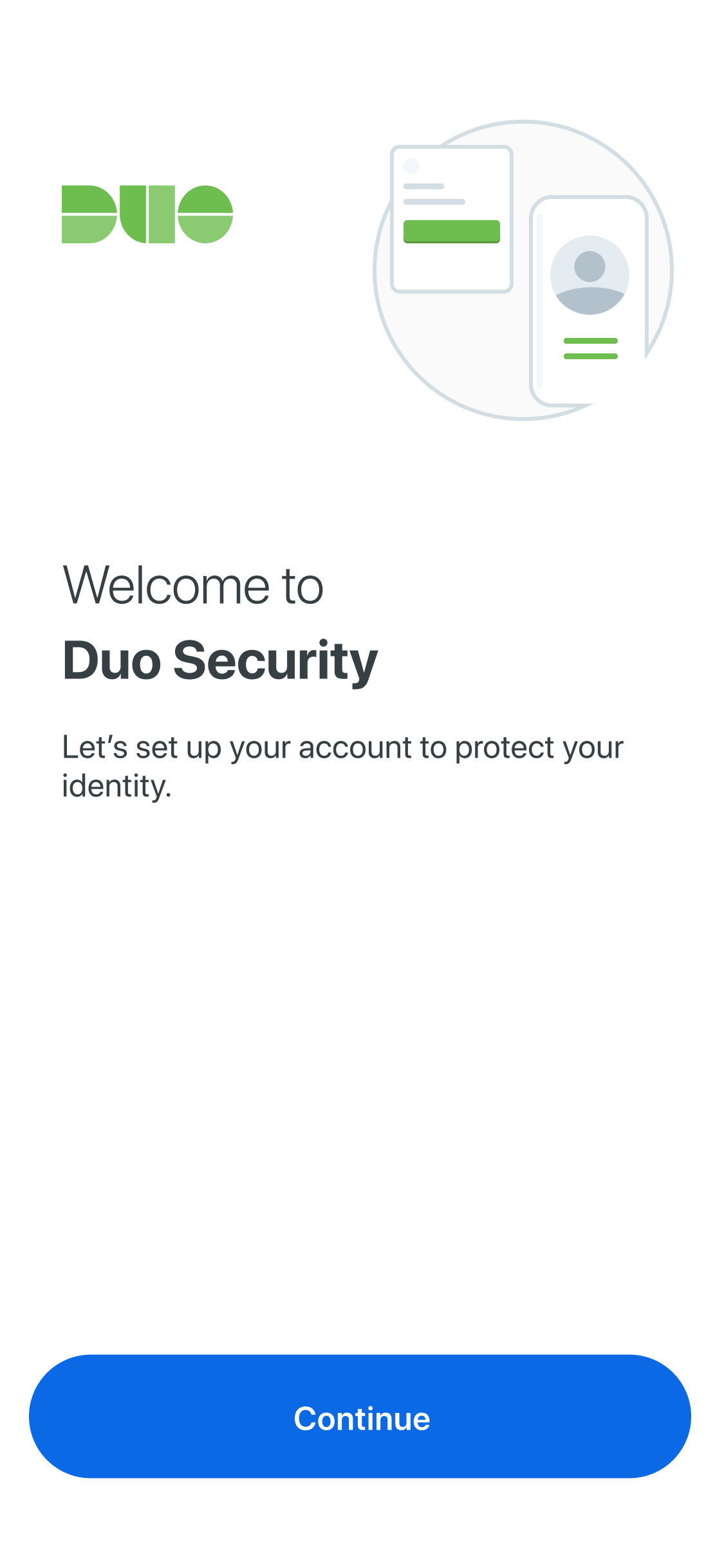
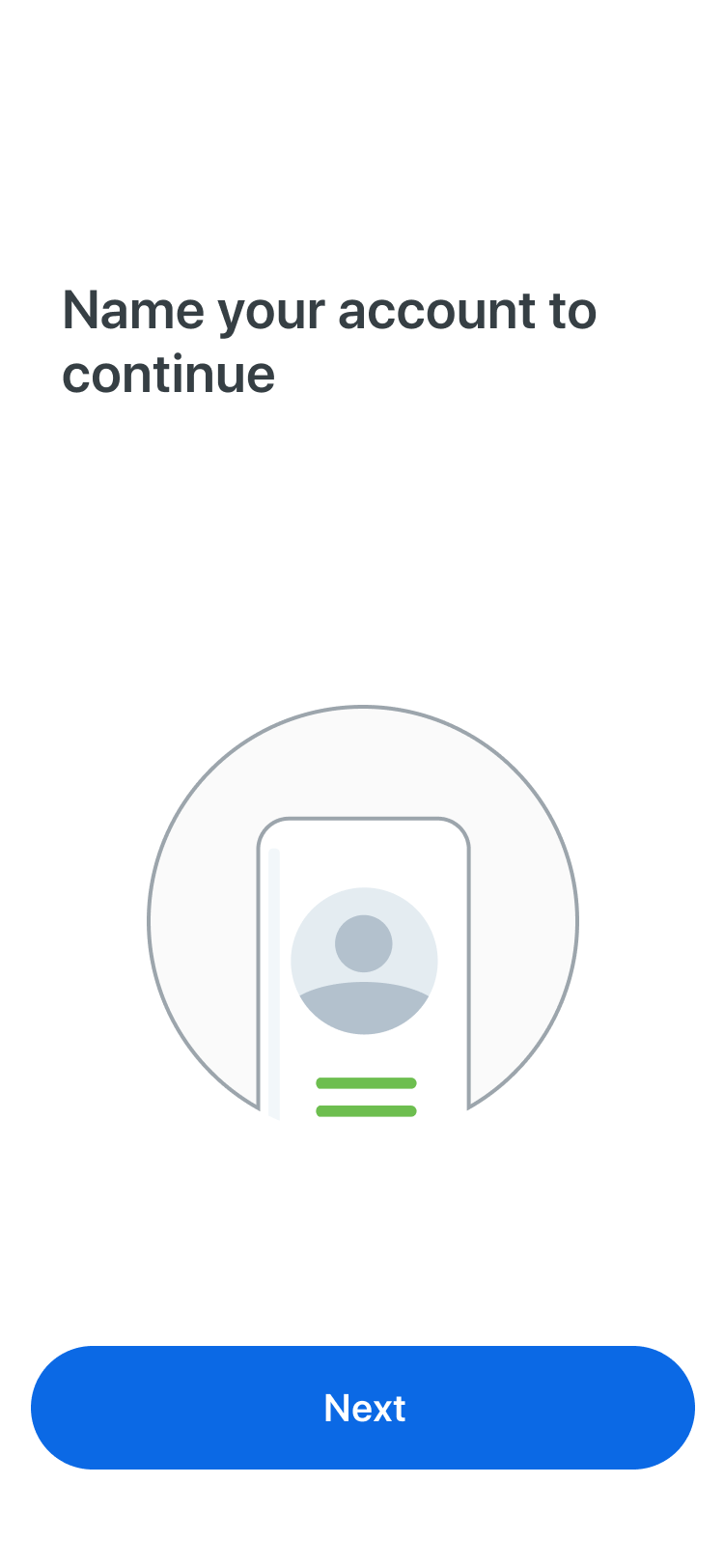
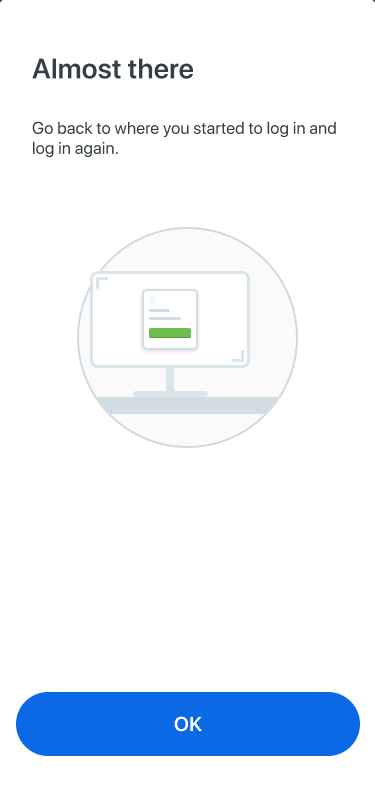
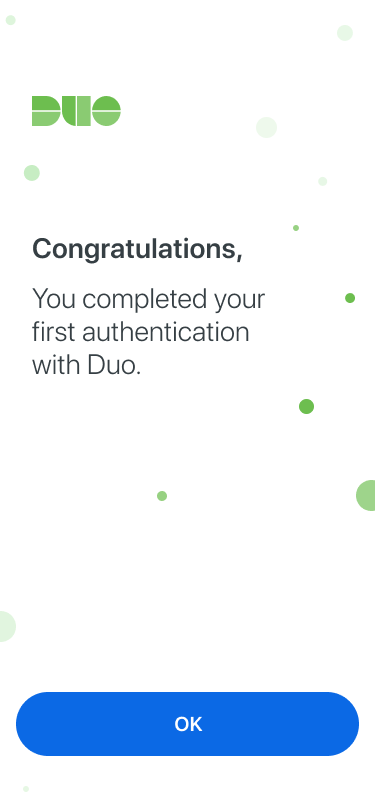

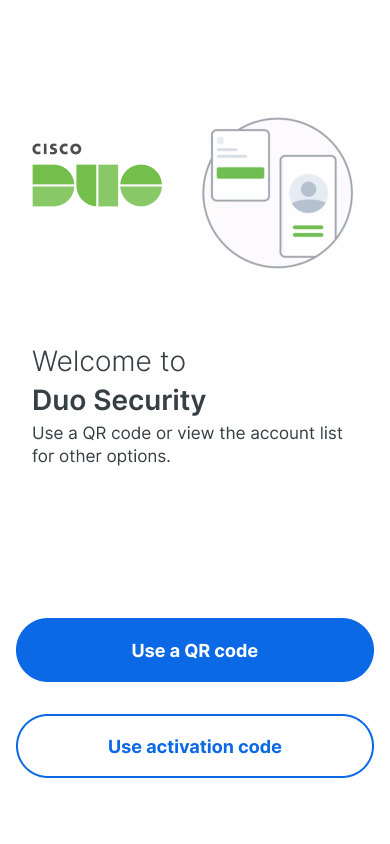
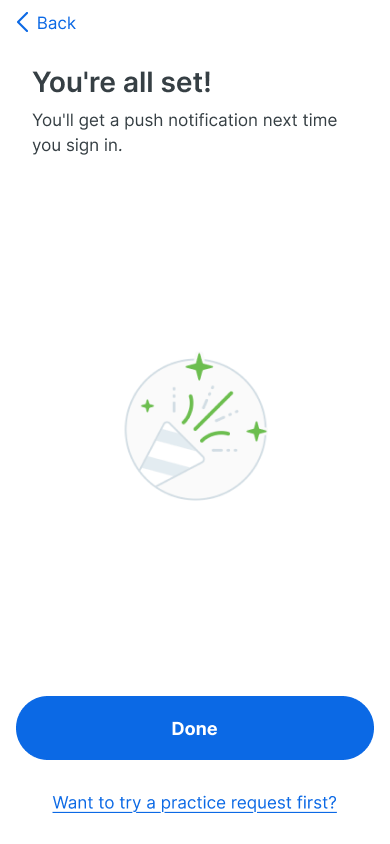
Screens we changed
Changes were kept as lightweight as possible. The priority was improving the flow, not a full visual redesign.

Design → Eng handoff
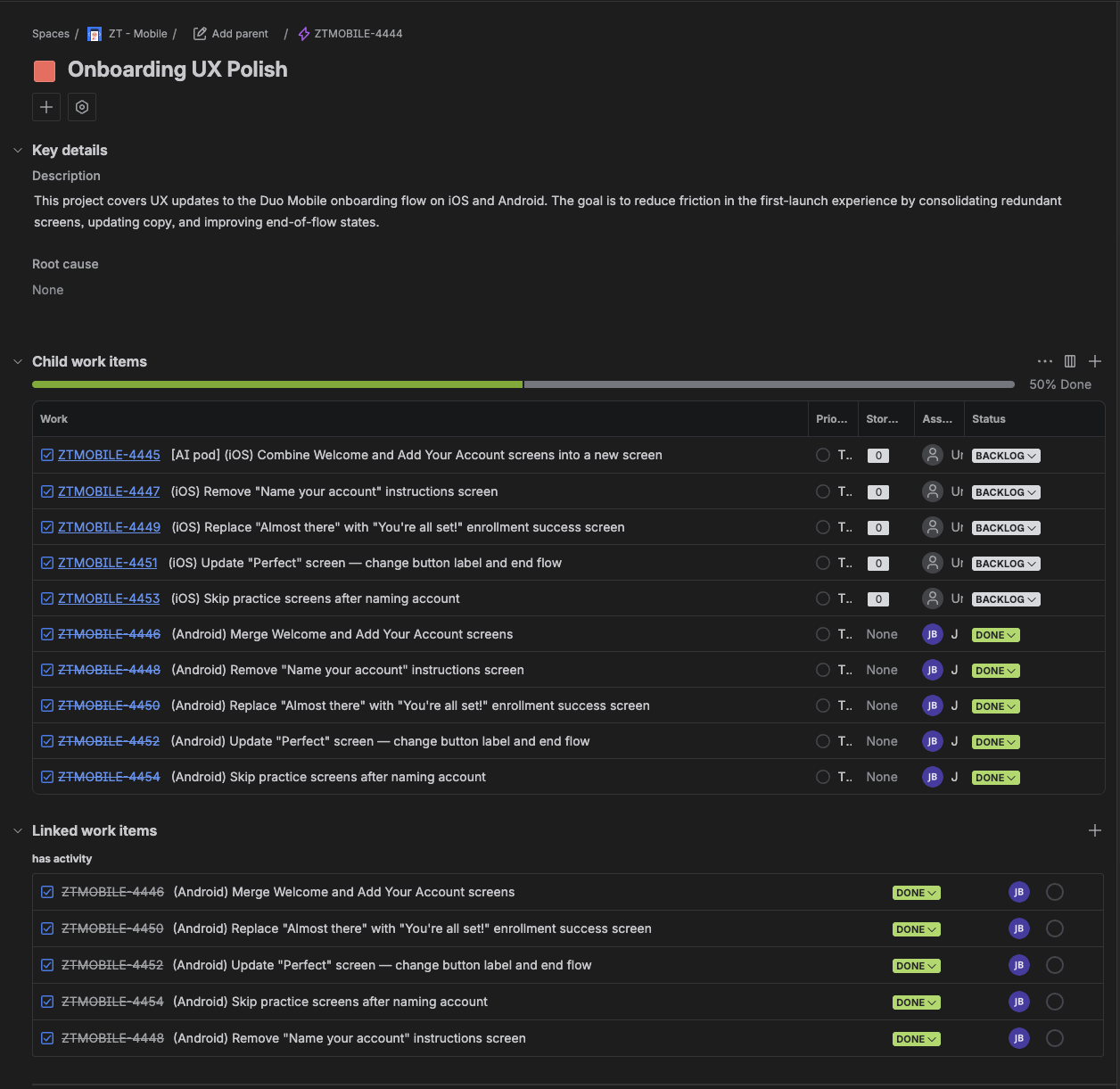
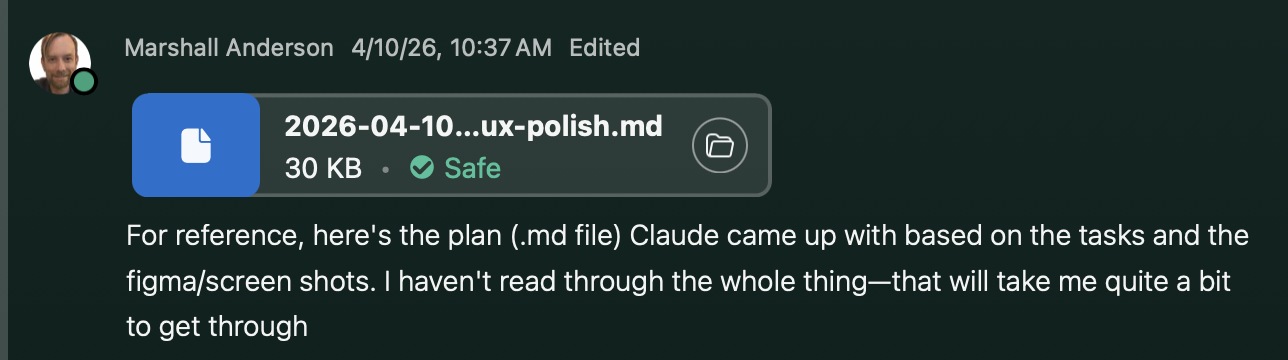
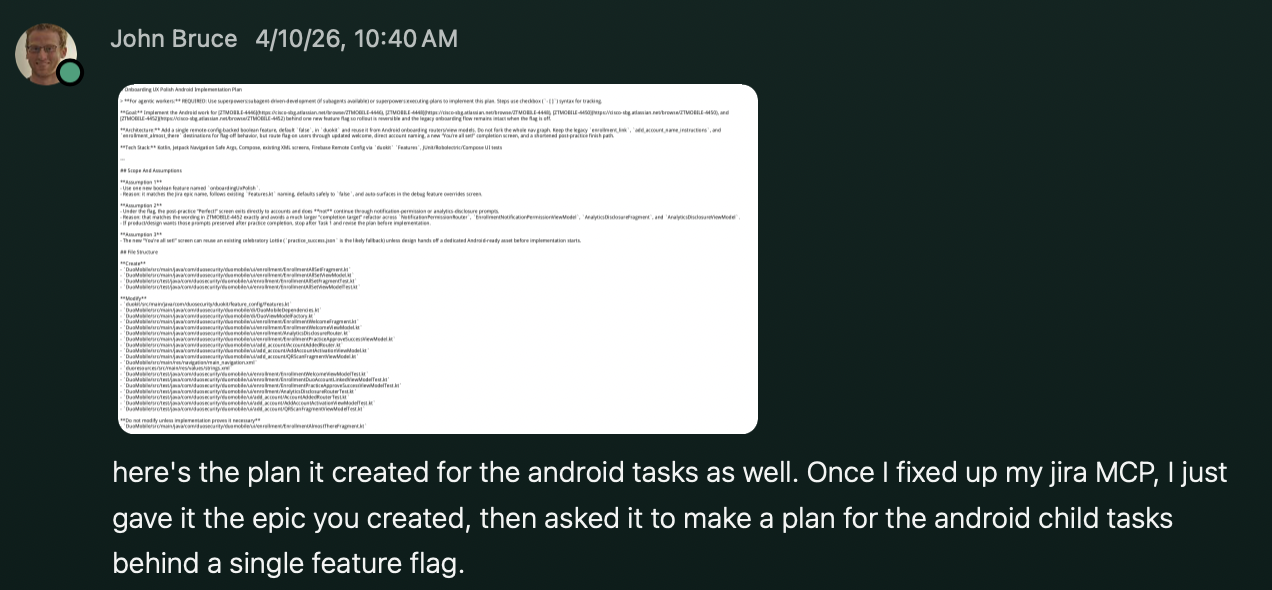
After finalizing the screen changes, we used the Jira MCP to have Claude generate a full epic and task breakdown directly from the design decisions — no manual ticket writing.